02 February 2026
Blue sticky traps are an essential tool for pest control in various settings, from greenhouses to homes. They effectively capture flying insects, helping to monitor pest populations and prevent infestations. This article provides an in-depth look at blue sticky trap use, covering their benefits, optimal placement, target pests, and more. Understanding how to effectively utilize these traps can significantly reduce reliance on chemical pesticides. Whether you’re a professional grower or a homeowner, this guide offers practical insights for successful pest management.
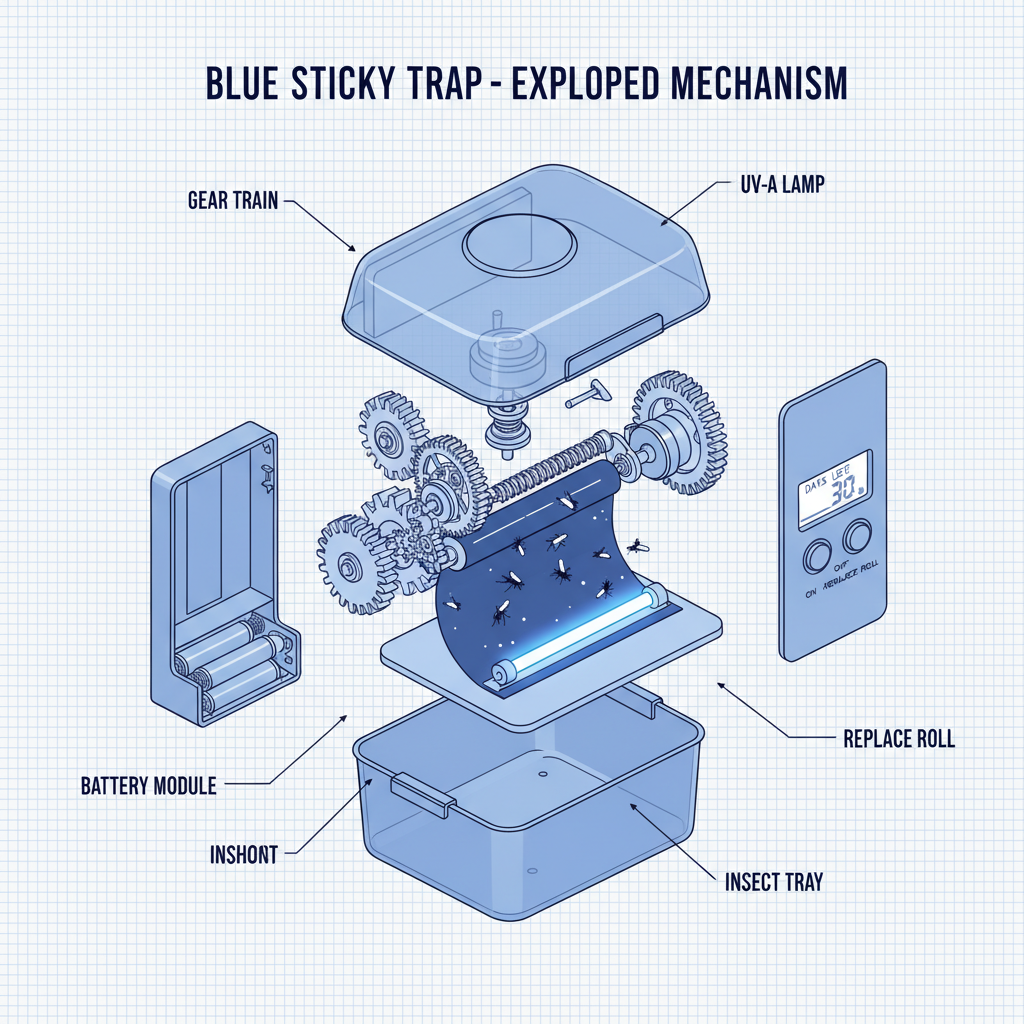
Blue sticky traps are favored due to their non-toxic nature and ease of use. They don’t require electricity or complicated setups, making them a convenient solution for pest control. The bright blue color is highly attractive to many flying insects, increasing the trap's effectiveness. They provide a visual indication of pest activity, allowing for timely intervention. Furthermore, blue sticky traps are a cost-effective alternative to more complex pest control systems. They are especially useful for identifying the types of insects present, aiding in targeted pest management strategies.
Key Highlights: Non-toxic, easy to use, visually indicates pest activity, cost-effective, attracts many flying insects.
Blue sticky traps are most effective against a variety of flying insects, including: fungus gnats, whiteflies, thrips, leafminers, and fruit flies. These pests are commonly found in greenhouses, nurseries, and indoor plant environments. The blue color mimics the wavelengths that these insects are most attracted to, increasing the chances of capture. Regularly checking the traps can help identify emerging pest problems before they become widespread.
Commonly Captured Pests:
• Fungus Gnats
• Whiteflies
• Thrips
• Leafminers
Strategic placement is crucial for maximizing the effectiveness of blue sticky traps. Hang traps near plants where pests are suspected, typically at canopy level where insects are most active. In greenhouses, position traps throughout the growing area, paying attention to areas with high humidity or poor ventilation. For indoor plants, place traps close to the foliage. Avoid placing traps in direct sunlight, as this can reduce the stickiness of the adhesive. Replacing traps regularly (typically every 1-2 weeks) is essential to maintain their effectiveness.
Compared to chemical pesticides, blue sticky traps offer a safer and more environmentally friendly pest control solution. While pesticides can have harmful effects on beneficial insects and the environment, sticky traps are selective and pose no risk to non-target organisms. They are also less likely to lead to pest resistance, a growing concern with pesticide use. However, sticky traps are primarily a monitoring and preventative tool, and may not be sufficient for severe infestations, which may require integrated pest management strategies. HB Archerfish offers a variety of pest control solutions to meet your specific needs.
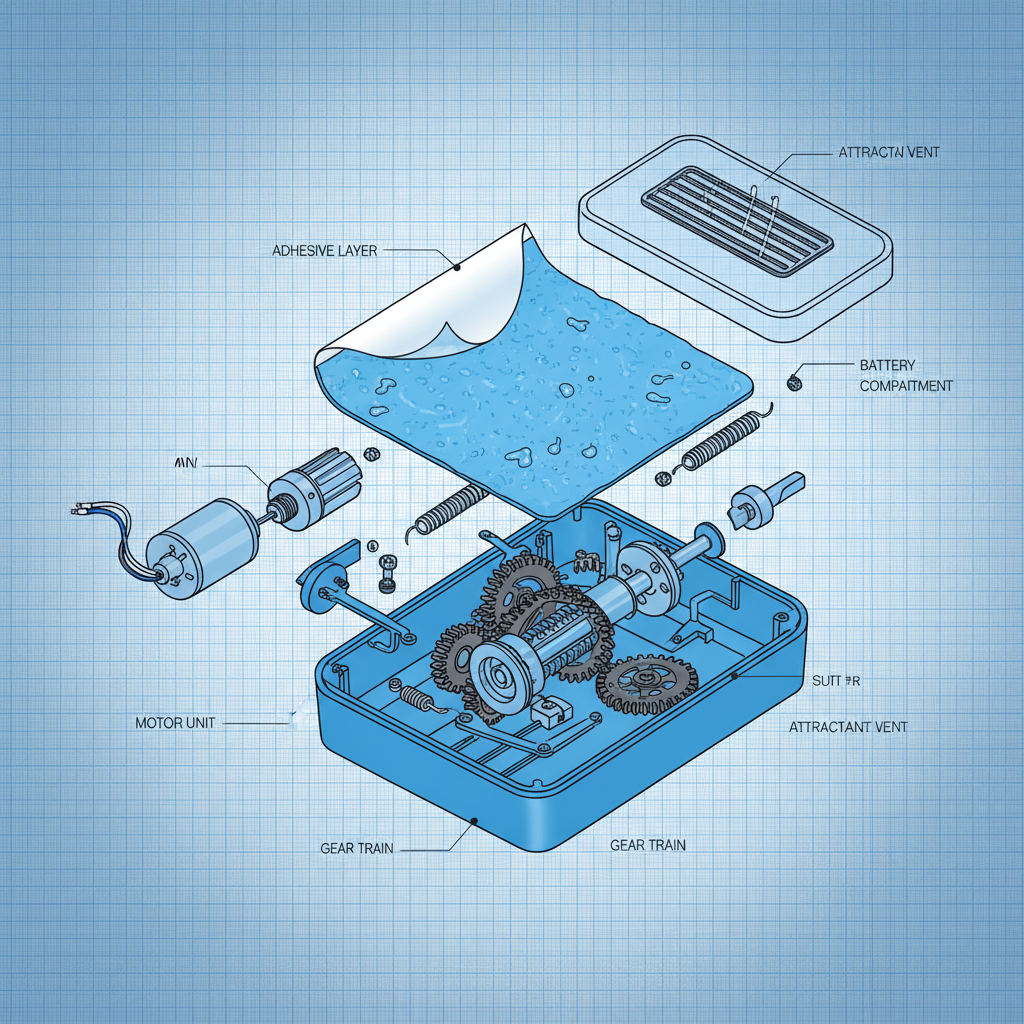
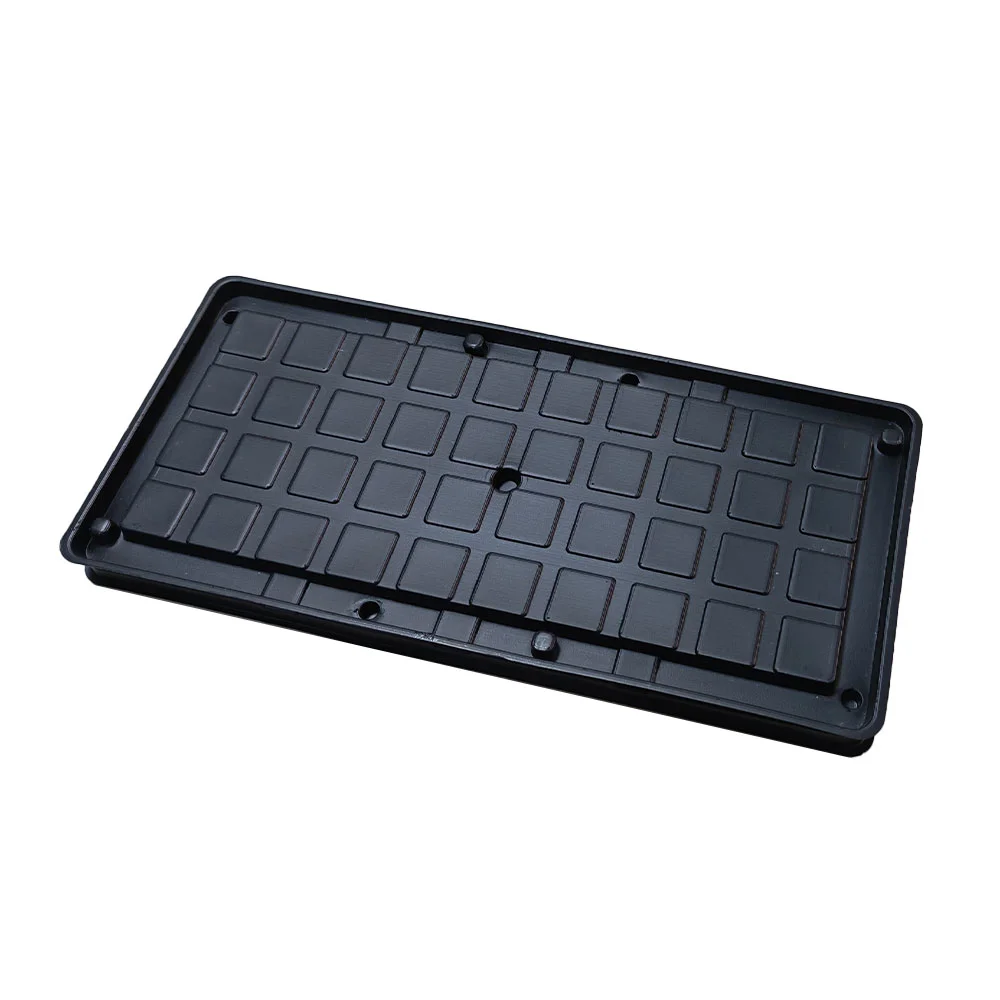
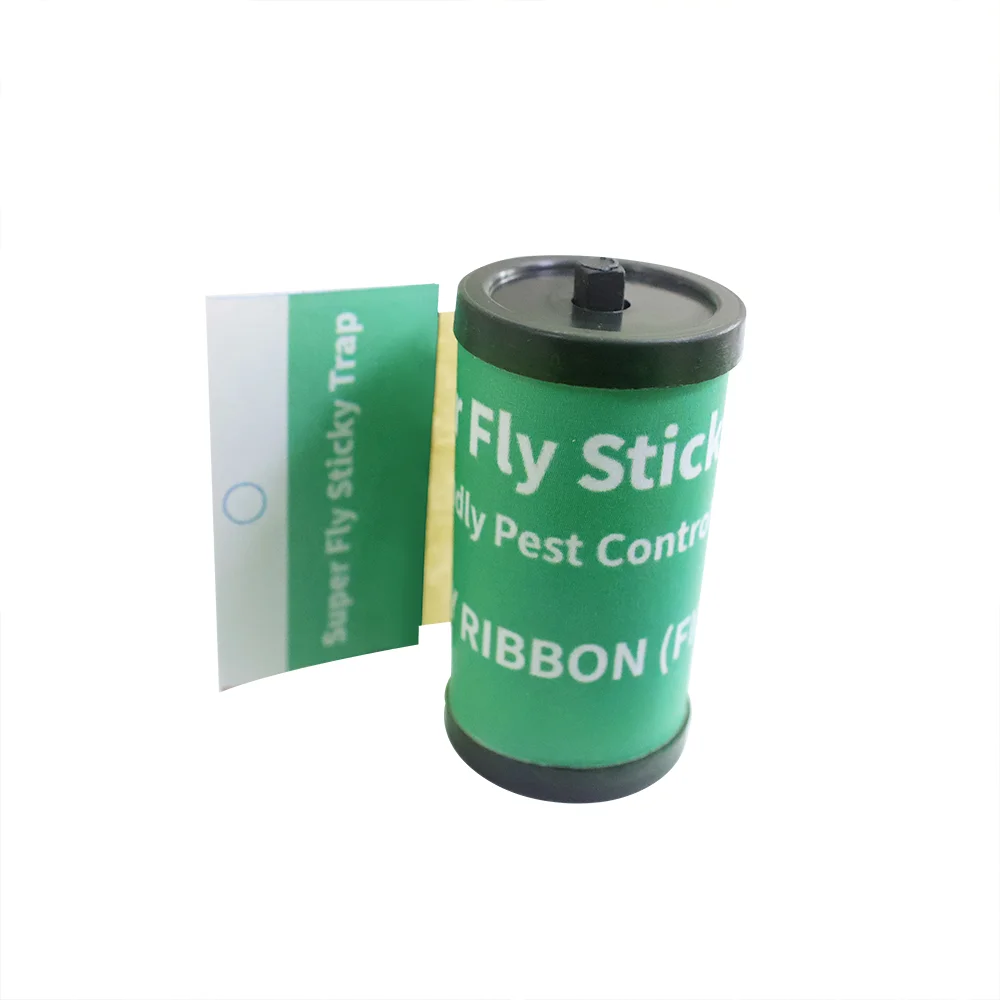
Our blue sticky traps are available in various sizes and formats to suit different applications. We offer individual traps, multi-packs, and rolls of sticky tape. The adhesive is non-toxic and formulated for long-lasting stickiness. The traps are made from durable materials and designed for easy use. You can purchase our high-quality blue sticky traps directly from our website, HB Archerfish. We also offer bulk discounts for commercial growers and pest control professionals.
Blue sticky traps provide a simple, effective, and environmentally friendly solution for monitoring and controlling flying insect pests. By understanding their optimal use and placement, you can significantly reduce pest populations and protect your plants. Explore the range of pest control products available at HB Archerfish for all your pest management needs.
The effectiveness of blue sticky traps typically lasts for 1-2 weeks, depending on the level of pest activity and environmental conditions. Dust accumulation and a buildup of captured insects can reduce the adhesive surface, diminishing their stickiness. Regular inspection and replacement are crucial. If a trap becomes heavily covered with insects, it should be replaced even sooner. Replacing traps proactively ensures they continue to effectively capture pests.
Blue sticky traps are generally considered safe for beneficial insects as they are primarily attracted to specific flying pests. However, there is a small risk of accidental capture of non-target insects. Careful placement, avoiding areas where beneficial insects are frequently present, can minimize this risk. Consider using other integrated pest management techniques to promote beneficial insect populations alongside sticky trap usage.
While blue sticky traps can be used outdoors, their effectiveness may be reduced by wind, rain, and direct sunlight. It’s best to place them in sheltered locations, such as under eaves or within greenhouses. Consider using traps specifically designed for outdoor use, which may have more durable adhesive and weather-resistant materials. Regular monitoring and replacement will be necessary due to environmental factors.
Feb 03, 26
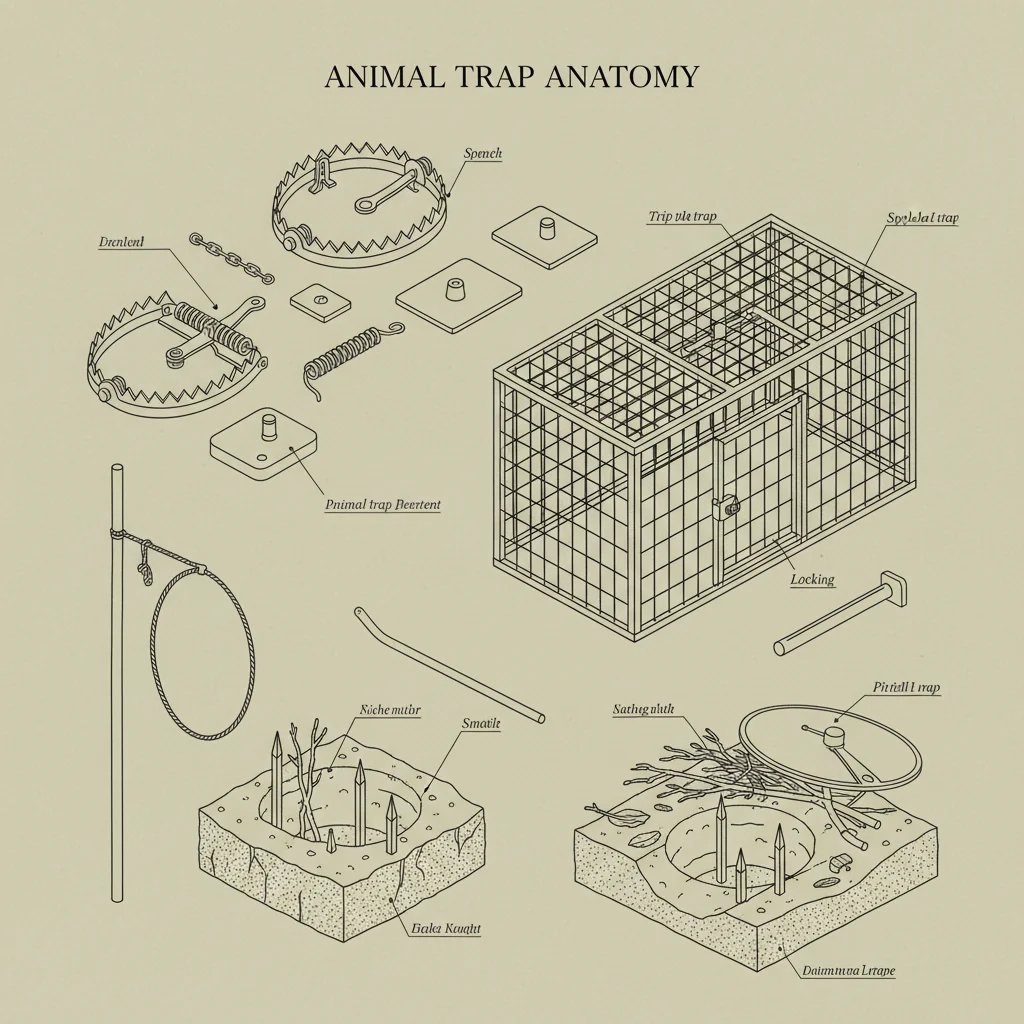
Exploring the Landscape of Types of Animal Traps Design and Material Choices
Feb 10, 26
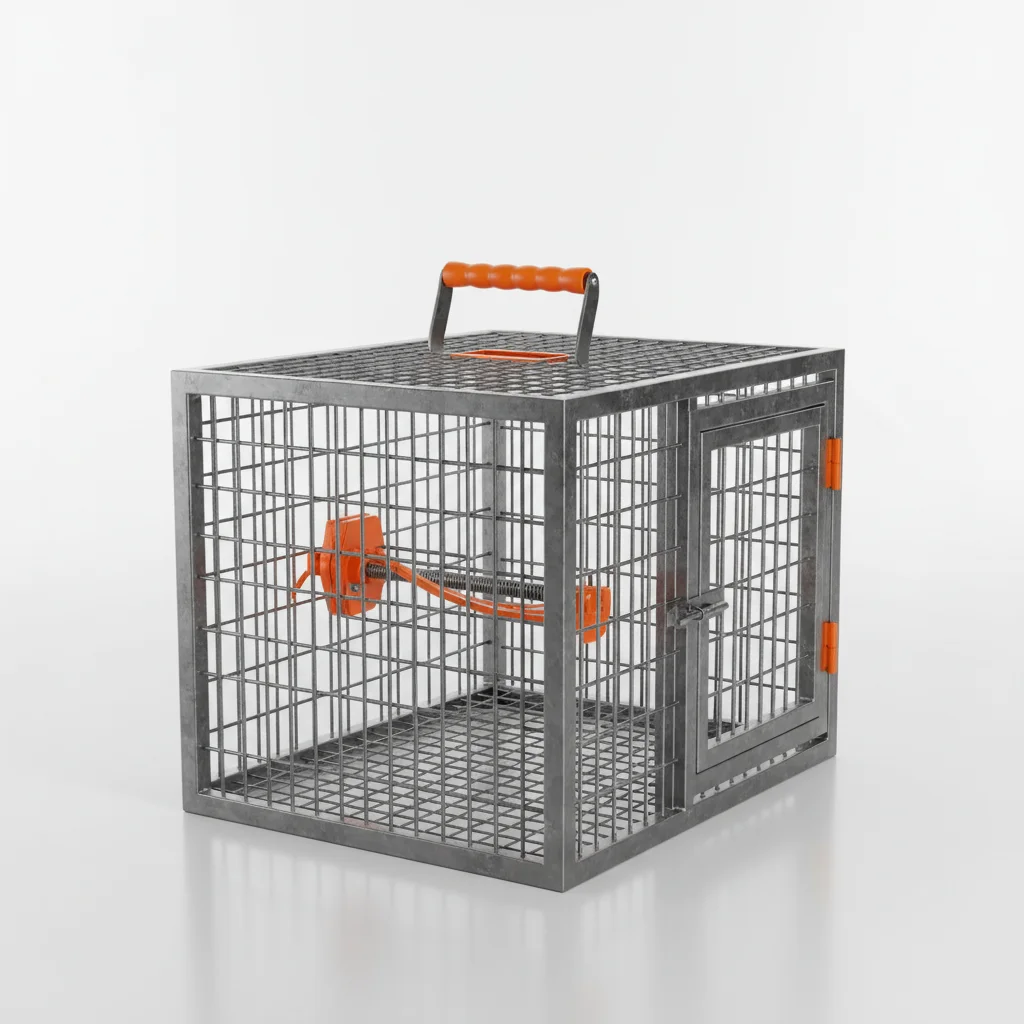
Comprehensive Guide to Animal Trap Cages for Effective Wildlife Management

Feb 10, 26
The Ultimate Guide to Choosing the Right Garden Kneeler Seat for Comfort
Apr 03, 26
Anti Squirrel Spike Solutions for Effective Anti Bird Control
As urban environments expand, the interaction between humans and wildlife becomes increasingly frequent.