What Makes Fly Paper Sticky? Insights from Industrial Equipment Experience
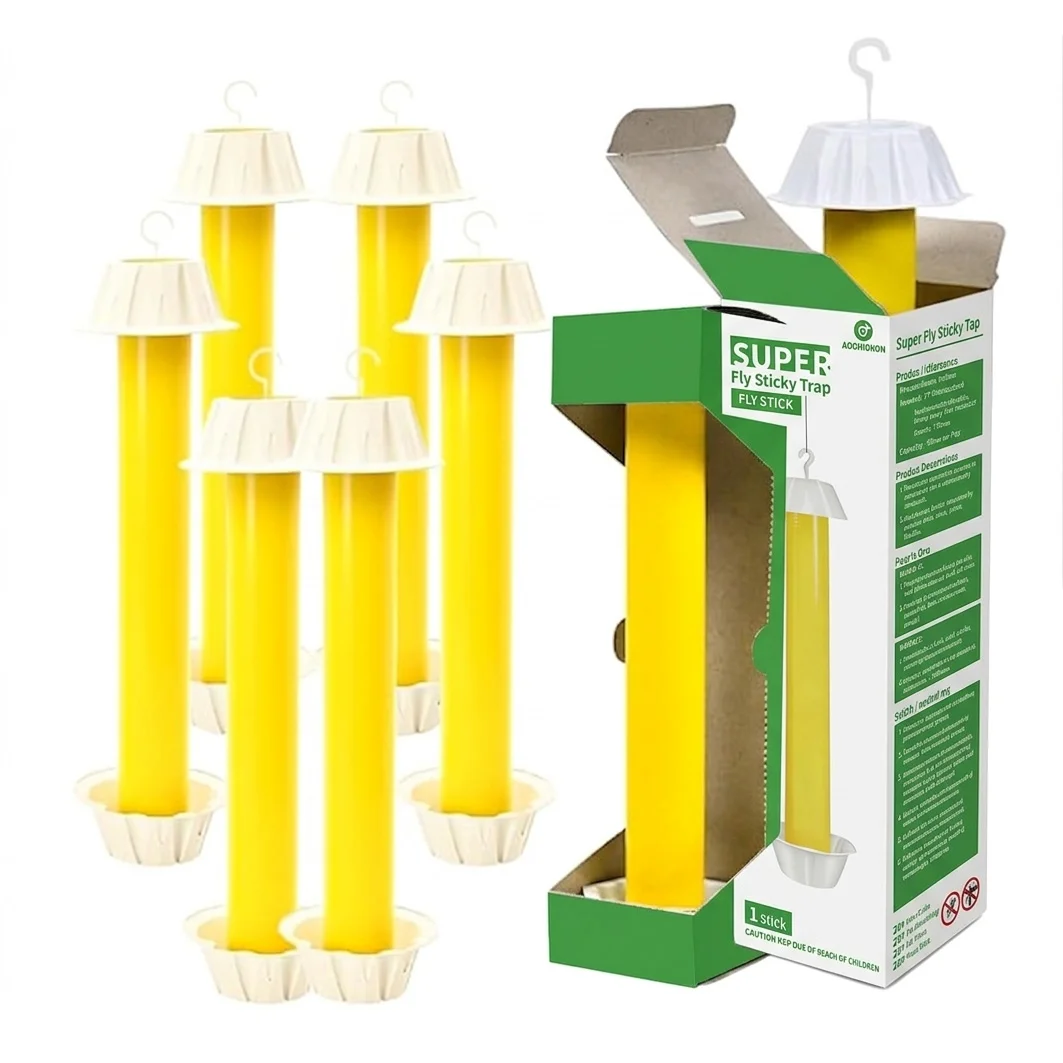
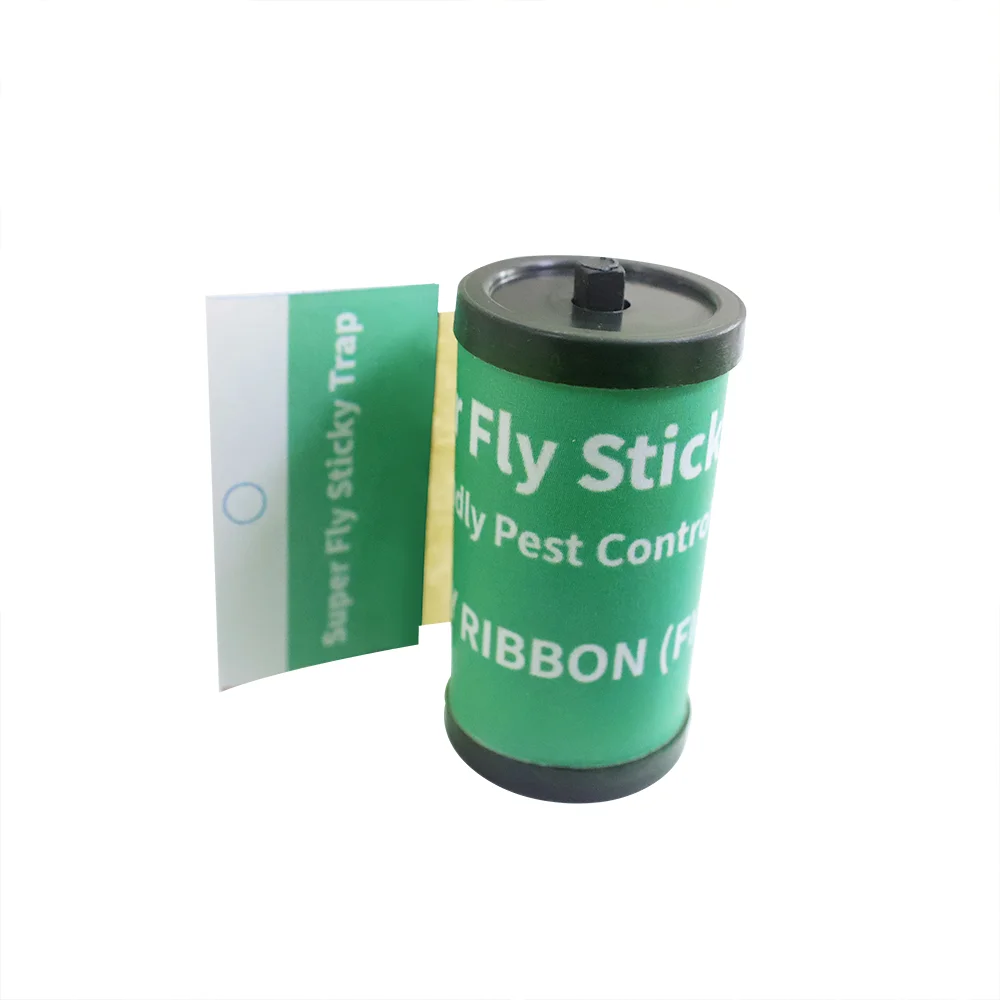
If you've ever wandered through an old workshop or maybe a barn, you might have noticed those sticky fly papers hanging around—oddly effective at trapping flies before they become a real nuisance.
Having spent years around industrial equipment, I've often found myself curious about what really goes into making fly paper so stickily successful. It’s more than just slapping some adhesive on paper — there’s quite a bit of engineering finesse involved.
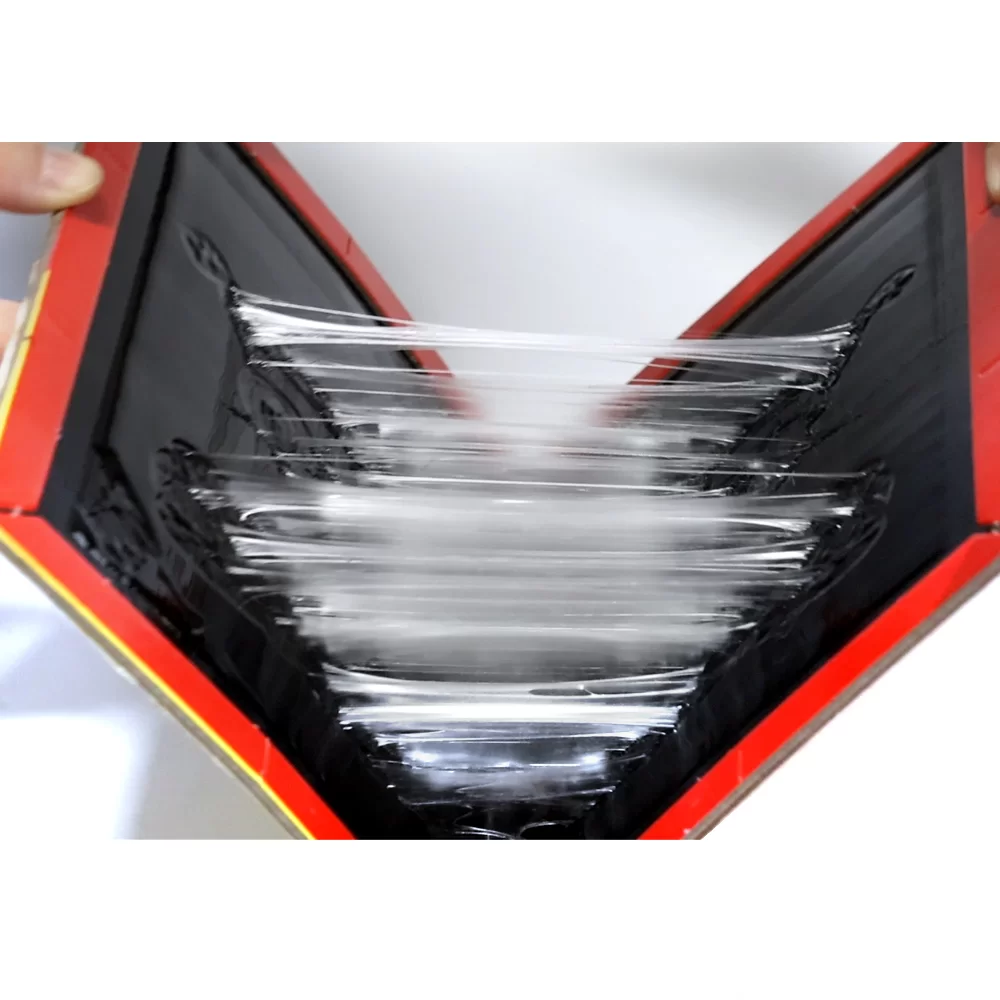
Fly paper, or sticky traps, use a carefully balanced adhesive formulation that is tacky enough to grab flies on contact but doesn’t just turn into a gooey mess. The sticky component typically comprises a blend of natural resins and synthetic polymers, designed to maintain tackiness under varying temperatures and humidity. This balance is critical because, frankly, if the paper dries out too fast, it loses effectiveness; if it’s too wet or shiny, it can collect debris and get messy.
Oddly enough, many industrial fly papers rely on a natural resin called rosin—they’ve used it for decades. Rosin is tacky, affordable, and biodegradable, so it’s well suited for sustainability-minded manufacturers. In contrast, some newer versions integrate synthetic tackifiers to improve longevity and resistance to dust. That’s important because in industrial settings, you don’t want your fly paper to become a magnet for dirt and dust that could gum it up.
From my observations during equipment maintenance visits, the weight and texture of the paper backing matter, too. Too stiff, and the paper won’t hang well or conform to corners where flies often gather. Too flimsy, and the adhesive might spread unevenly or cause the paper to sag. Most fly papers strike a sweet middle ground—durable but flexible.
I suppose what surprised me the most during those site visits was how custom the formulations can get. For example, facilities in hotter climates might want adhesives that retain tackiness at elevated temps, while cooler warehouses might prefer formulas that won’t turn brittle. In real terms, manufacturers often tweak the resin and polymer ratios depending on application.
Also, testing plays a vital role. Many manufacturers follow stringent quality protocols simulating conditions like dust exposure, humidity, and fly contact frequency. I remember chatting with a quality engineer who told me they even use robotic fly simulators to test fly-paper grip consistency. You don’t often hear about that, but it says something about the care behind these "simple" products.
Here’s a quick rundown of typical fly paper specifications that I’ve come across, summarized in the table below. You’ll notice some variation, but the core ideas repeat—tacky resin base, flexible paper, and sometimes an attractant scent to lure the flies in:
| Specification |
Typical Range |
| Backing Paper Weight |
80-110 gsm |
| Adhesive Type |
Natural resin (rosin) / Synthetic tackifier |
| Tackiness Level |
Sticky enough to hold flies instantly |
| Temperature Range |
5°C to 40°C (41°F to 104°F) |
| Shelf Life |
6-12 months |
If you’re wondering how to pick a supplier, that can be a bit more nuanced than I initially thought. There’s a fair number of vendors out there making fly paper with similar ingredients—but quality and customization are what separate the average from the excellent. The table below compares three notable manufacturers I’ve encountered, highlighting subtle differences that matter:
| Vendor |
Adhesive Base |
Custom Tuning |
Environmental Focus |
Recommended Industry |
| StickySolutions Inc. |
Natural rosin blend |
Yes, temp & humidity |
Biodegradable |
Agriculture |
| ResinTech Co. |
Synthetic polymers |
Limited |
Non-biodegradable |
Industrial Warehousing |
| GreenTrap Solutions |
Eco-friendly resin with natural oils |
Yes, scent + tackiness |
Highly biodegradable |
Food processing |
I remember one supplier, GreenTrap Solutions, sending me a sample for a client’s organic farm. The subtle hint of natural oils in the adhesive didn’t repel beneficial insects, which was kind of a game changer for that particular operation. They had fewer complaints about collateral insect trapping, and frankly, the farm manager was happy not to interfere with their eco-friendly practices.
Long story short — fly paper might seem simple, but the sticky magic lies in a mix of chemistry, material science, and real-world testing. If you're looking for effective fly paper, remember that adhesive formulation, paper quality, and vendor expertise all combine to make the difference. If you want to check out some solid industry-grade products, I recommend exploring fly paper selections that balance toughness and tack perfectly.
Thanks for sticking with me through this sticky dive — you know, sometimes the simplest industrial products hide the most interesting tech underneath.
References
- Industrial Adhesives Handbook, 3rd Edition
- Quality Testing in Entrapment Technologies. Journal of Industrial Materials, 2021.
- Case Study: Eco-Friendly Fly Control in Agriculture, GreenTrap Solutions Report, 2023.